
Understanding gambling A beginner’s guide to getting started
What is Gambling?
Gambling refers to the act of wagering money or valuables on uncertain outcomes, with the primary intent of winning additional money or goods. This practice spans various forms, including betting on sports events, playing card games, and participating in lotteries. The thrill of gambling often stems from the unpredictable nature of outcomes, attracting individuals seeking excitement or financial gain. If you’re looking to enhance your experience, you canplay poker for real money and enjoy the dynamic environment it offers.

The history of gambling is extensive, with roots tracing back to ancient civilizations. Initially, it served not just as entertainment but also as a social activity, with games of chance and skill being integral to many cultures. Understanding the foundations of gambling is crucial for beginners as it sets the stage for recognizing both the opportunities and risks associated with it.
Types of Gambling
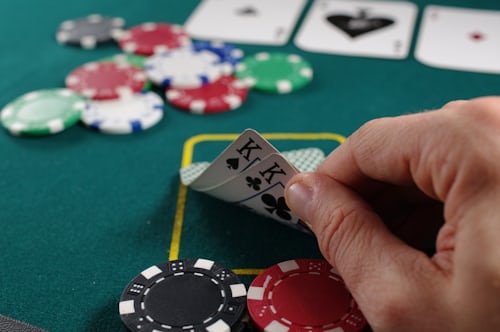
Gambling can be categorized into several types, including casino games, sports betting, and online gambling. Casino games encompass traditional options like poker, blackjack, and slot machines, each with its own set of rules and strategies. Sports betting allows individuals to wager on the outcomes of sporting events, adding an extra layer of excitement for sports enthusiasts.
Online gambling has gained immense popularity, offering convenience and accessibility. Numerous platforms provide various gambling options that can be enjoyed from the comfort of home. However, it’s essential for beginners to understand the differences between online and offline gambling, including the unique risks and regulations involved.
Gambling Addiction Awareness
As with any form of entertainment, gambling carries the potential for addiction. Understanding the signs of gambling addiction is crucial for individuals engaging in this activity. Common symptoms include an inability to stop gambling despite negative consequences, prioritizing gambling over personal and professional responsibilities, and using gambling as an escape from stress or anxiety.
Awareness of gambling addiction can lead to healthier gambling habits. It is vital for beginners to set limits, recognize their emotional triggers, and seek help if they find themselves struggling with compulsive behaviors. Various resources, such as support groups and counseling services, are available for those in need.
Strategies for Responsible Gambling
Engaging in responsible gambling is paramount for ensuring a positive experience. This involves setting a budget before playing and sticking to it, never chasing losses, and viewing gambling as a form of entertainment rather than a means to make money. Establishing limits on time and expenditure can significantly mitigate the risks associated with gambling.
Moreover, understanding the odds and house edge in games can help players make informed decisions. Knowledge of game mechanics, as well as when to walk away, contributes to a healthier gambling mindset. By adopting responsible practices, individuals can enjoy gambling while minimizing potential negative consequences.
Conclusion and Resources
This guide serves as an introduction to gambling for beginners, emphasizing the importance of understanding the various aspects of this activity, including its risks and rewards. With knowledge comes responsibility, enabling individuals to navigate the world of gambling with awareness.
For those seeking further information, there are numerous resources available online that offer support and guidance for responsible gambling practices. Engaging with these tools can enhance the overall experience and promote a healthy relationship with gambling activities.